Conservation Easements
A conservation easement is a legal agreement with a landholder to permanently conserve the land and protect it from specific types of development.
Conservation easements, depending on their terms, can serve as opportunities to restore relationships with land, revitalize traditional stewardship practices, and protect the land from harm.
As Native people, relationship to land is at the core of our existence. When we revitalize Native land access and care, we are renewing a sacred connection.
Conservation easements are rarely seen as the final destination, but they can be one step towards Indigenous land return. At Native Land Conservancy NLC), we use conservation easements to support efforts that protect the land and space for Indigenous people to be in relationship with homelands.
Rights of the land and Indigenous access

The Conservation Easement Process
Conservation easements are agreements between a landholder (individual or government) and an easement holder. Easement holders can be a land trust, a municipality, or, in some states, a tribal nation.
Developing a conservation easement can vary by state laws, and depending on the parties involved, but the process typically includes:
Clarifying the purpose and restrictions between involved parties. Where specific activities may be identified to be restricted and where specific rights are reserved such as limited forestry activities, hunting, foraging, or cultural access.
Formal documentation and baseline establishment. In addition to the terms of agreement, background information on the site and any tribal groups with access is drafted. This baseline report is critical for documenting the conditions of the site prior to the conservation easement and identifying any features with particular concern for protection.
Valuation and tax assessment. The land’s value is appraised before and after the easement is put in place. In certain cases, landholders may qualify for tax deductions.
Official recording. Recording the easement with the Registry of Deeds makes the easement official and legally binding in perpetuity.
Ongoing stewardship and monitoring. Once the easement is in place, the easement holder is responsible for visiting the land regularly to monitor in alignment with the easement’s terms. This is sometimes an unforeseen cost or barrier to managing a conservation easement.

Important Considerations
In practice, most state, federal, and private philanthropic funding to return land requires a conservation easement. Knowing how to leverage conservation easements and being directly involved in their drafting is essential to ensuring these permanent agreements uphold Indigenous values and priorities.
Sometimes a conservation easement may already be in place on land that a tribal nation is interested in purchasing or acquiring through other means. In this instance, the terms of the easement cannot be changed but should be well understood by the tribe or organization before finalizing.

Conservation Easements in Action
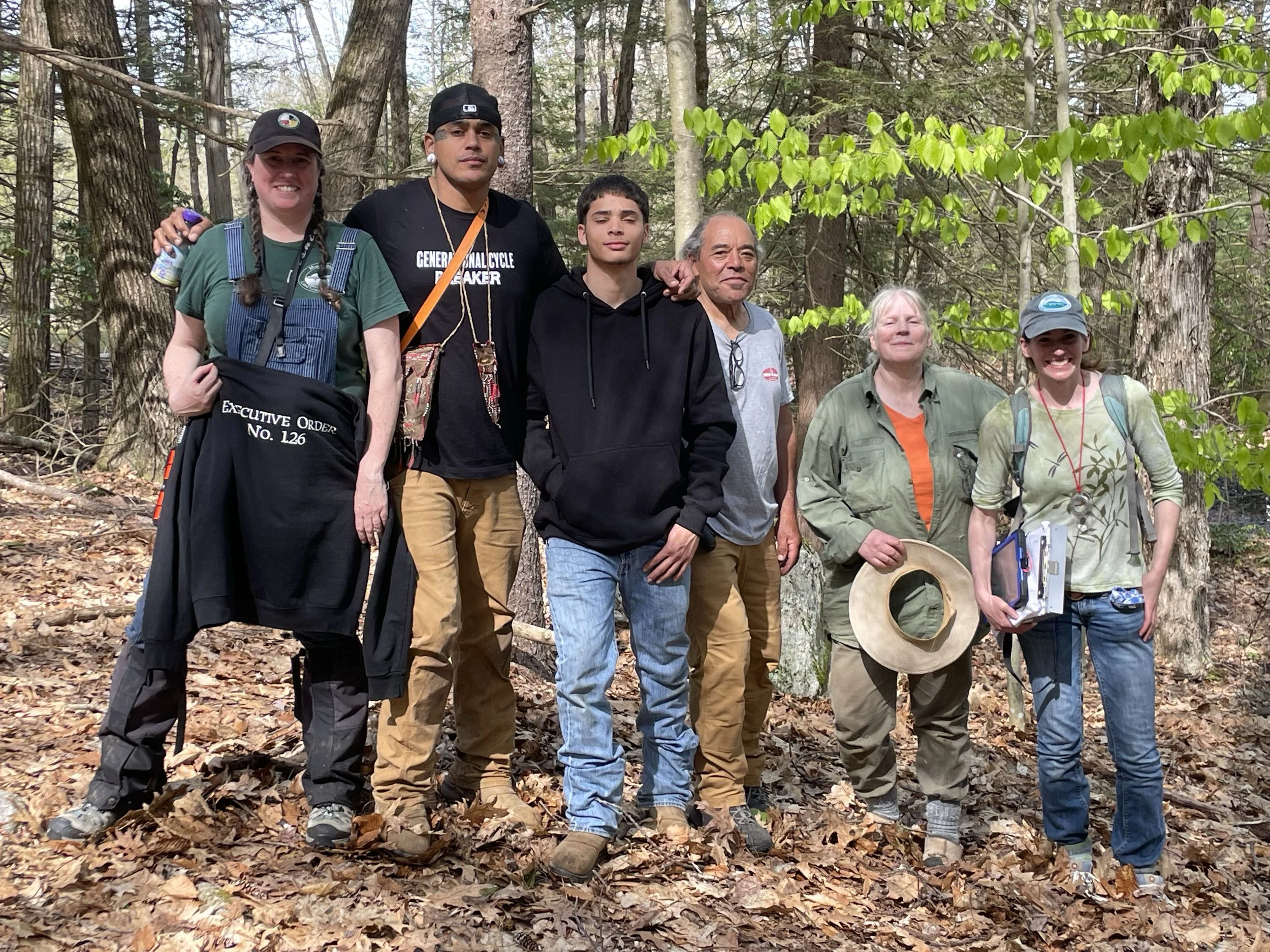
In 2026, NLC and the Native Roots Farm Foundation (NRFF) collaborated to establish a conservation easement agreement, which was a requirement for funding the purchase of the land. This partnership helped NRFF protect sacred spaces while fostering community and cultural connection on their traditional lands.
With the 50-acre property secured, the land will be a hub for food sovereignty, featuring a Three Sisters Garden for harvesting traditional first foods and providing a peaceful space for gathering. This culturally grounded easement agreement ensures the permanent protections of the property’s mature woodlands. NRFF intends to open the site to all communities, Native and non-Native alike. They believe that by offering Native-led educational programming and providing space to connect with the natural environment, they will grow the collective awareness of and appreciation for the natural world.

Let’s work together
To learn more about conservation easements and how they can support your efforts to protect land and access, connect with us at: info@nativelandconservancy.org.
“The Native Land Conservancy cares for the land in ways we think our ancestors would appreciate.”
— Paula Peters (Mashpee Wampanoag Tribe), NLC Communications and Programs Coordinator