Native Land Conservancy
Native-led land conservation accepting the honor to protect, share, and restore land and water for the four-legged, the two-legged, the winged, and the finned.
Rescuing land through donation or title purchase, upholding conservation easements, and tending to its needs.
It is not enough to simply save the land but also to preserve the culture that has thrived upon it for thousands of years.
When the Native Roots Farm Foundation acquired a 50-acre farm and forest located in the Nanticoke homelands in Georgetown, Delaware they needed to establish a conservation easement. They found Native Land Conservancy to be a perfect partner. The land sits on a major north south corridor leading to the Atlantic shore that is very accessible to not only the Nanticoke, but also their Lenape, and Nanticoke Lenne Lenape neighbors. NRFF President/Execurtive Director Courtney Streett said they held community meeting among tribal people to determine how best to engage with the land.
“Tribal members want a space that is sacred where they can gather,” said Courtney, “They want community gardens and the opportunity to harvest berries and fruit. This will be a pretty exciting resource for our community to have.”
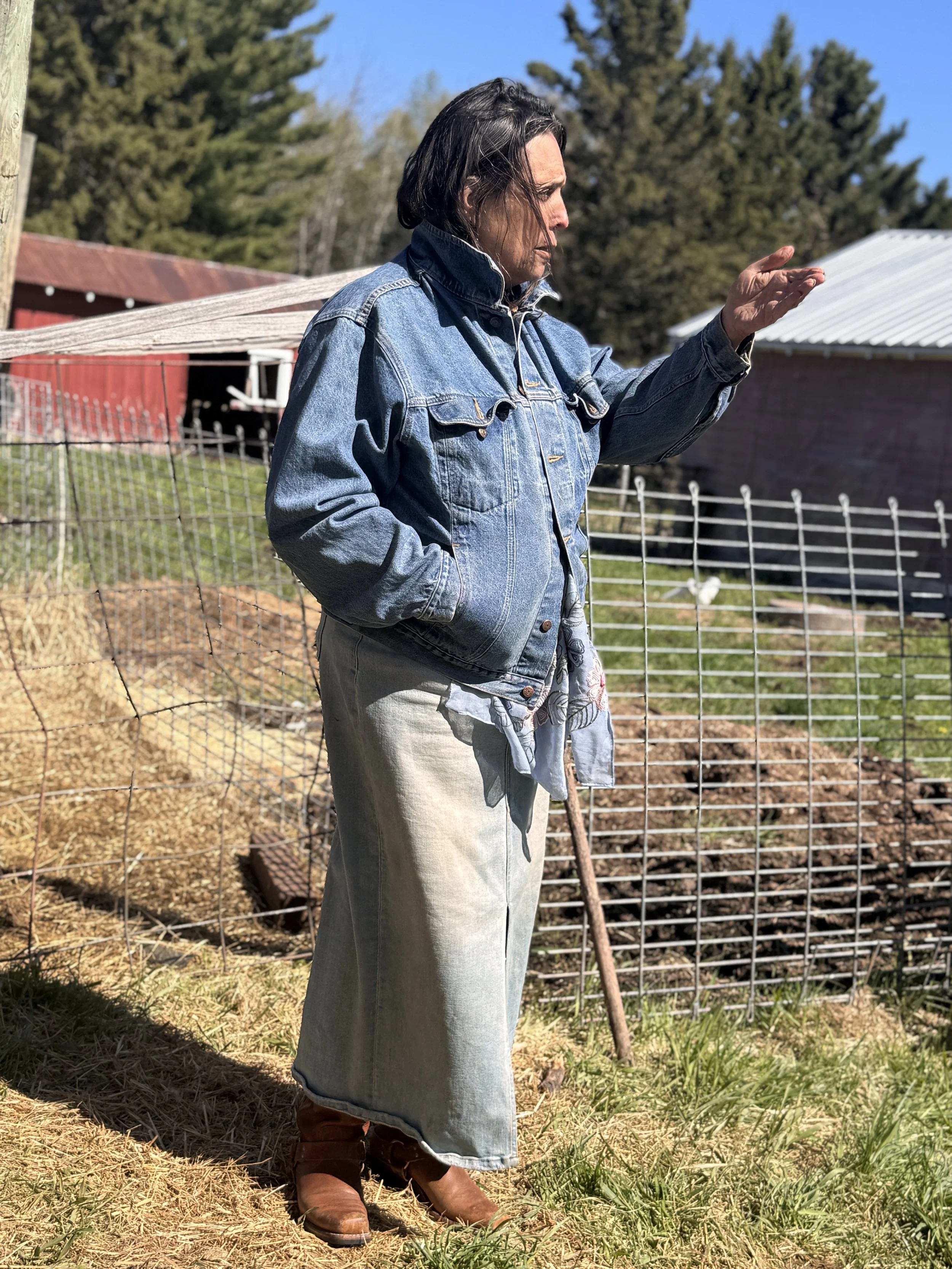
In May we visited the Oshki Ikwewag Ojibwe women’s farm on Madeline Island in Lake Superior. While in Wisconsin we participated in a productive summit with other Indigenous land protectors hosted by Akiing, a community development initiative focused on restoring the Anishinaabe economy, and Winona LaDuke.
The island is named for Madeline Cadotte, an Ojibwe woman who lived there in the 19th century. The original Anishinaabe name for the island is Mooningwanekaanling, in reference to the flicker, a bird that continues to thrive there unlike many Anishinaabe who have been dispossessed of their ancestral lands.
Read about the 3rd Annual Honor the Earth Fair that was held at the Mashpee Wampanoag Government and Community Center in April.
Calling all citizen scientists to join us in the 4th annual BioBlitz at the Wampanoag Common Lands. Use your smart phone and the iNaturalist app to collect data on the biodiversity of this very special land.