Sacred Land Back
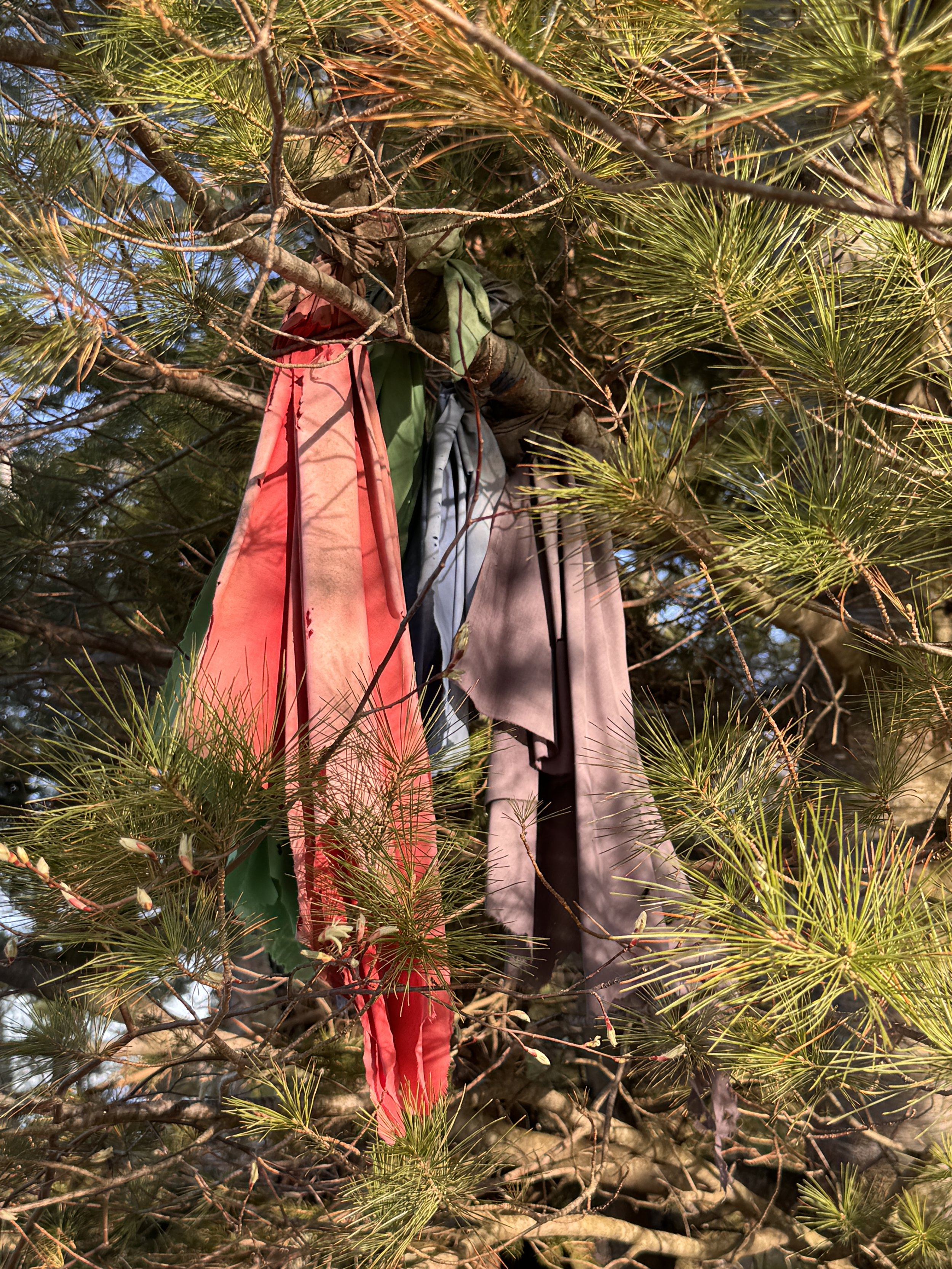
Prayer cloth draped in the pines on Mooningwaanikaaning reclaiming sacred ceremony in Anishinaabe ancestral homeland on the island in Lake Superior in Wisconsin.
From the moment we arrived on Mooningwaanikaaning I knew we were in a sacred place. On the map the island is called Madeline Island, named for Madeline Cadotte, an Ojibwe woman who lived there in the 19th century. The Anishinaabe name, Mooningwanekaanling, refers to the flicker that lights freely from the pines, birch, and oak that thickly forest the 42 square mile island dropped into Lake Superior as Sky Woman fell to the earth creating Turtle Island. Since forever times it has been the homeland of the Anishinaabe who lived, hunted, and fished there. The land still recalls their footsteps, their ceremony, their drumming and dancing. It misses them. Of the year-round population of only 350 people only a handful are tribal citizens.
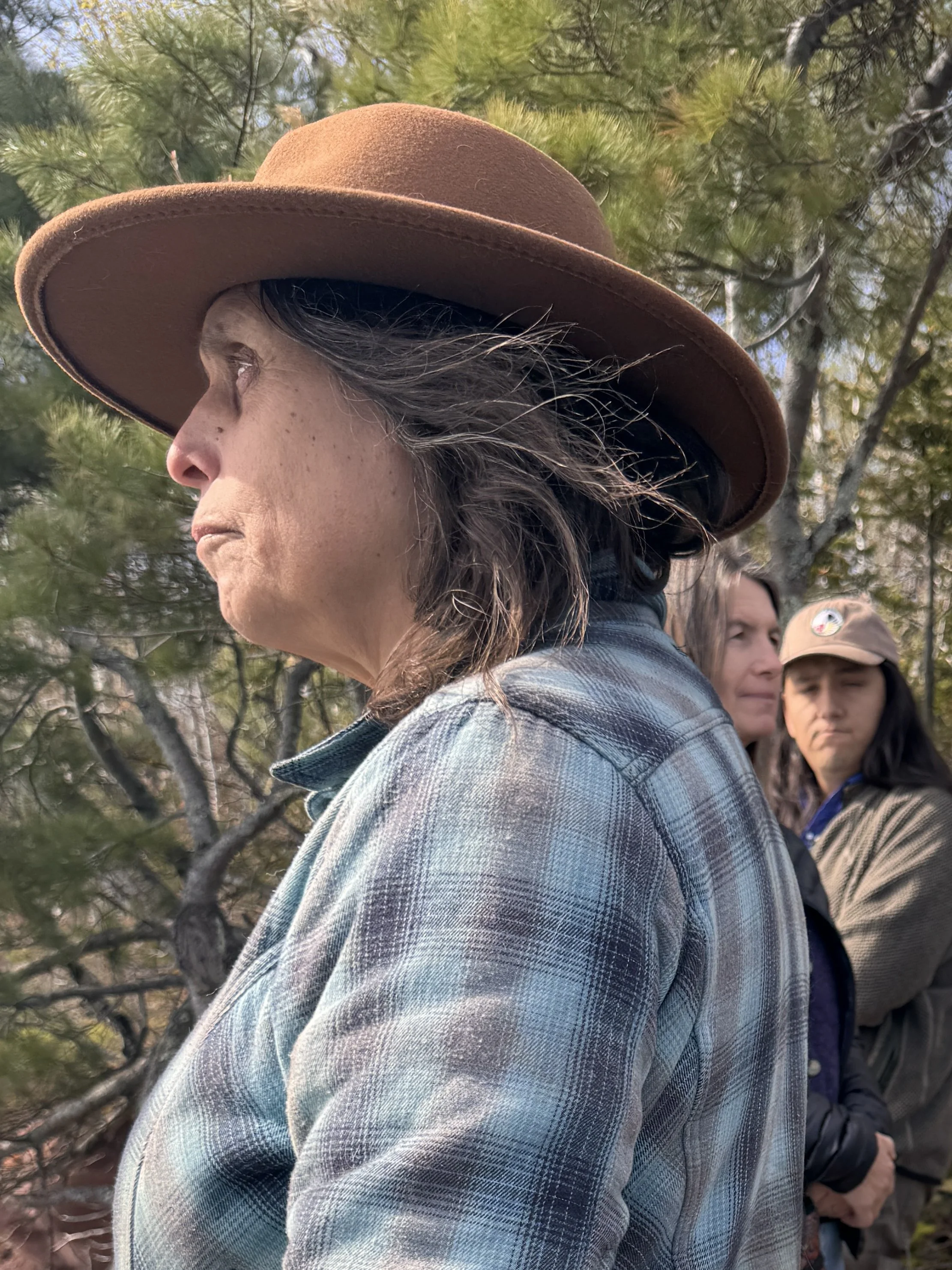
Winona LaDuke casting her gaze on the lands she hopes to recover.
That is something Winona LaDuke would like to change. She began two years ago with the help of Native Land Conservancy by purchasing an 8.5 acre flower and sheep farm that is now called Oshki Ikwewag Gitigaaning to operate as an Ojibwe women’s farm teaching Indigenous women how to nurture the land and sustain themselves. Amid the pale-yellow flowers that still dominate the landscape they are growing organic vegetables and raising livestock, chickens, goats and two stunning horses the farm hands ride bareback. Down the road Winona’s community development non-profit Akiing also recovered 200 acres of protected woodlands on the island that neighbors another 200 acres owned by the Bad River Band of Lake Superior Chippewa. With luck , a lot of prayers and hard work, the women’s farm project-( held by the Many Nations Cooperative) with support from Akiing ( the land to which the people belong) will purchase more neighboring lands to expand and create a retreat and education center for Native people.
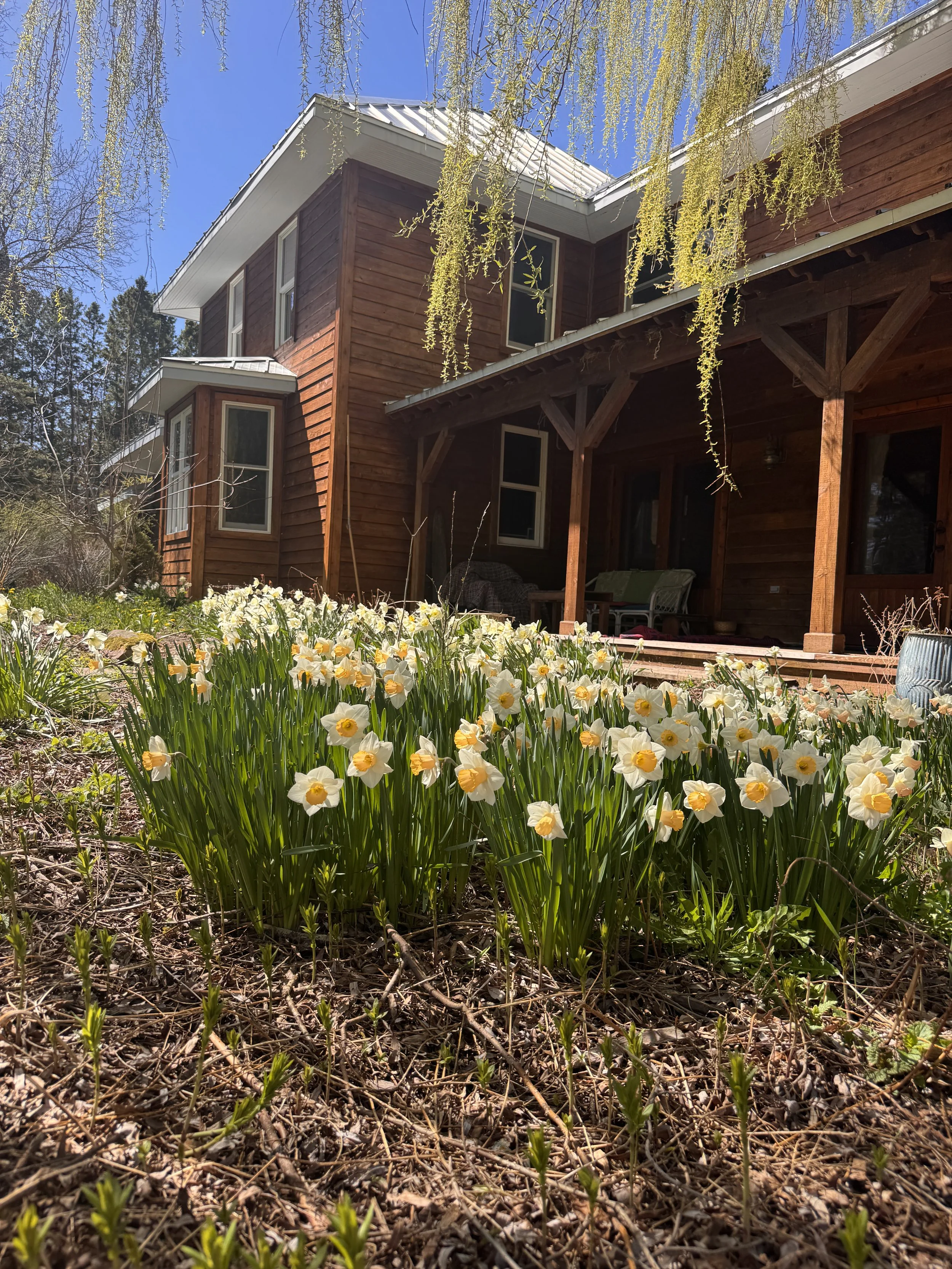
Daffodils in bloom at the Oshki Ikwewag Gitigaaning farm house.
Mooningwanekaanling is part of an early treaty with the Anishinaabe and the US Government that promised the island to them forever, but that promise, like so many, was broken. A truth made plain every summer when the population of Madeline Island soars to more than 3000 people. Mostly the super-rich who fly in on an airstrip built for their private planes.
“It’s the billionaires that get to enjoy this place,” Winona says, and that isn’t right.
So Akiing hosted a summit of Indigenous land trusts and local tribes in May to consider how land on the island can be returned to the people and introduce tribes to the tools that are out there to aid in that effort.
Leaders of the Sandy Lake Band of Anishnaabe, the Red Cliff Band of Lake Superior Indians and the Bad River Band of Lake Superior Chippewa attended and listened to presentations including by NLC discussing the tools we use to recover and hold land. Turtle Mountain Chippewa Melissa Nelson of the Cultural Conservancy provided examples of land rematriation in urban areas, and Passamaquoddy tribal citizen Cory Hinton talked about the amazing work being done by the Maine Land Trust Network – First Light – relying on an age old Wabanaki Confederacy that unites five tribes in the common effort to recover and retain ancestral homelands.
Also represented in the networking was the Agrarian Trust, Community Foundation, Tamalpais Trust, the Nature Conservancy, Pachamama Alliance, Many Nations Association of Cooperatives, and the Anishinaabe Agriculture Institute.
The tribal leaders in attendance left the gathering with new rules of engagement with land holders, new tools for land recovery, and most of all a feeling of empowerment that comes from networking with people who share their desire to reconnect with their homelands.
“You guys have been down this road,” said Nicole Boyd, Tribal Chair of the Red Cliff Band, “You helped us to think this through. If we work together, we can probably get a lot done.”
For everyone who attended “Land Back” is now more than a sound bite.
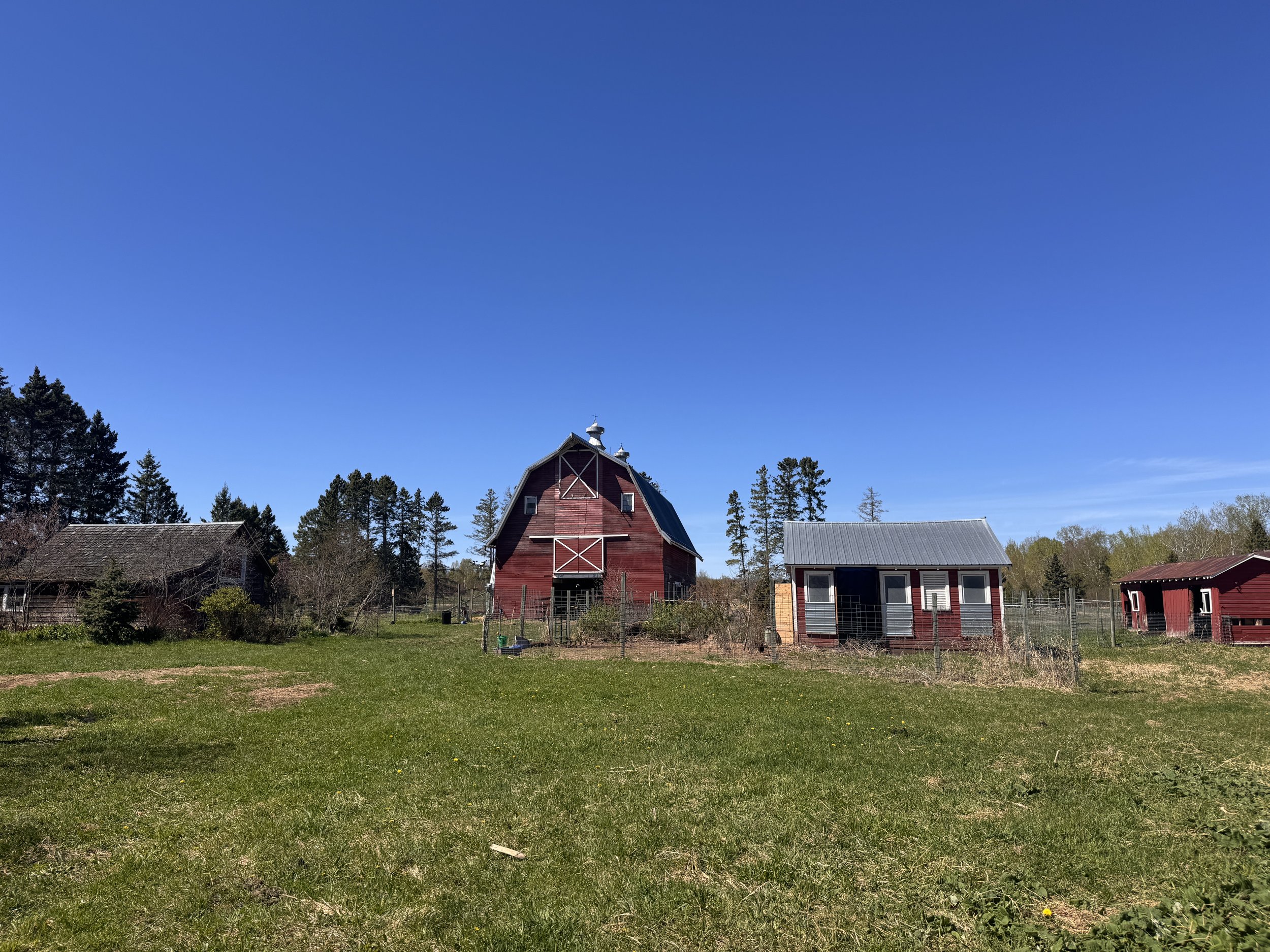
Oshki Ikwewag Gitigaaning